Minimalism in Photography
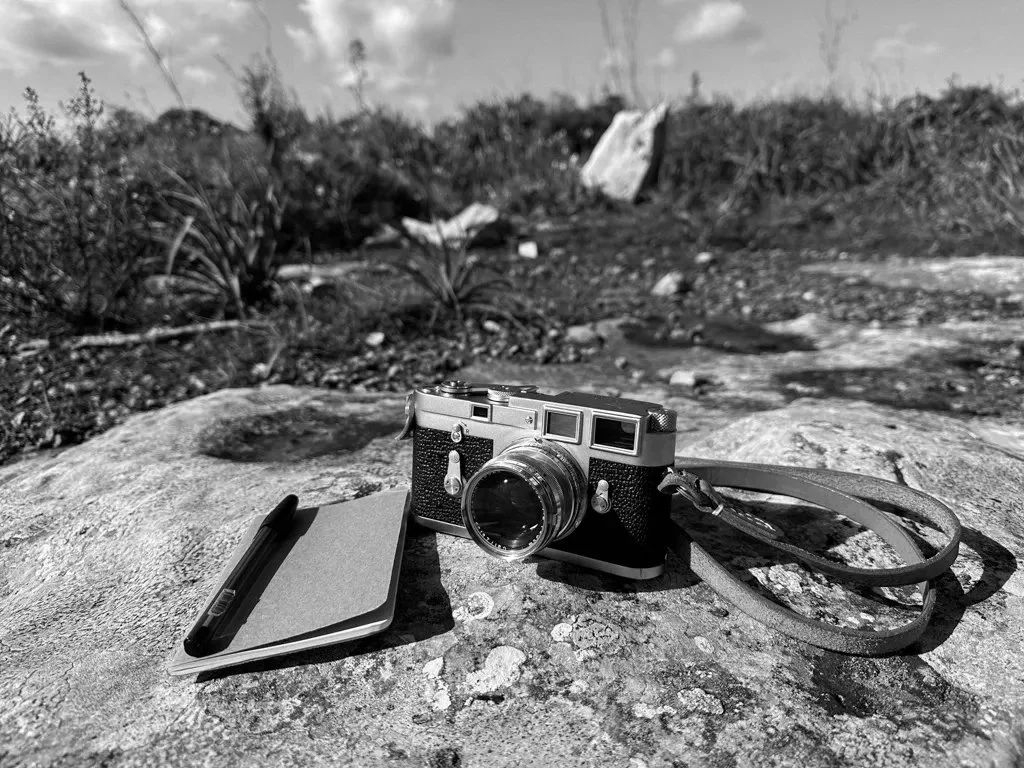
A couple of years ago, I took a 1-day trip and used the opportunity to try something I was a bit hesitant to do — travelling with a fully manual camera, my Leica M3.
To put things in perspective, I'm experienced with fully manual cameras. I've used a Leica M6 throughout my travels and am confident with manual and zone focusing, plus the Sunny 16 rule for local shoots. When abroad, I prefer a built-in light meter for reassurance. The Leica M3, though, lacks this feature.
The Realisation (Light bulb moment)
So off I went with a manual camera, a vintage 50mm lens, and three rolls of film. Oh, and did I mention I tried to cheat? I brought my Sekonic L-308S for good measure. But bear with me!
When I arrived on the Island of Ortigia in Sicily with a camera in hand and a light meter in the back pocket, I found a shaded area and took a reading. This is where I realised that I was complicating stuff.
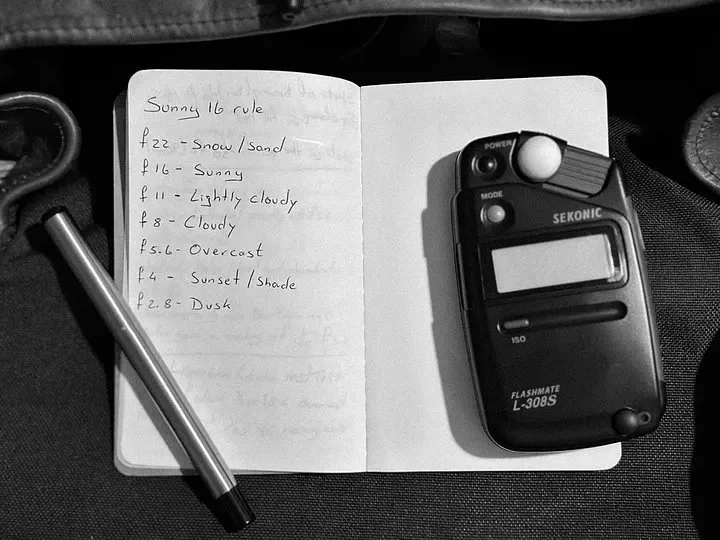
The meter just gave me a reading that fit exactly with the Sunny 16 rule I am familiar with. Yes, you guessed right… f4 cos it's a shaded area, and a shutter speed of 1/400 cos I was using 400 speed film. This is where I found the confidence to put the light meter in the backpack and not use it for the whole trip. I also realised that in that moment, I allowed myself to fail and by doing that, freed myself and opened a way for improvement.
Freeing yourself and accepting failure
Interesting title! — but that doesn’t mean you can shoot a whole roll of blanks cos you are accepting failure. What I am trying to say is that if you trust yourself and allow room for failure, you will be learning in the process. You can practice things when you are at home, when out for a walk and eventually your leanings will become part of your repertoire.
I was never confident with zone focusing and metering using the Sunny 16 rule. By time and by accepting that I will fail at times, I managed to improve, and I am confident in shooting fully manual. Do I sometimes get it wrong? Of course I do, but these techniques allow me to photograph more freely cos I am less engaged with the technical part and focusing more on what is happening around me. This leads us to the next part… minimising your gear.
Minimising Gear (what works for me)
I am not saying sell all your gear! I like buying cameras as much as I like photography. I like the history that comes with each camera, the design, the tactile feel and the limitations and features it brings to the table. Each camera has an experience of its own.
What I mean by minimising gear is to keep your options to a minimum. It might not be the same for everyone, but I will describe what works for me.
When I am out photographing, I find that if I stick to one camera and one focal length, I am more in the zone. The fewer features the camera has, the more transparent it becomes. This is what I experience when shooting my Leica M3. I just frame an image in my mind, raise the camera to my eye, compose, shoot, and advance the lever. Not even check the light meter.
Now it doesn’t have to be a Leica or a film camera. Any camera will do. As long as you don't end up fiddling around with settings and features, the camera will become a part of you.
Conclusion (thanks for making it this far)
So there you have it — minimising your gear will make it easier to be in the moment and aware of the world around you, which in turn should result in increasing your chances for good photographs.
The commitment to one focal length makes you think creatively and helps you think outside the box.
Finally, it's fine to get some useless shots. Photography is there to be enjoyed, so just go out there, shoot and trust the process.