Photographing the same subject matter
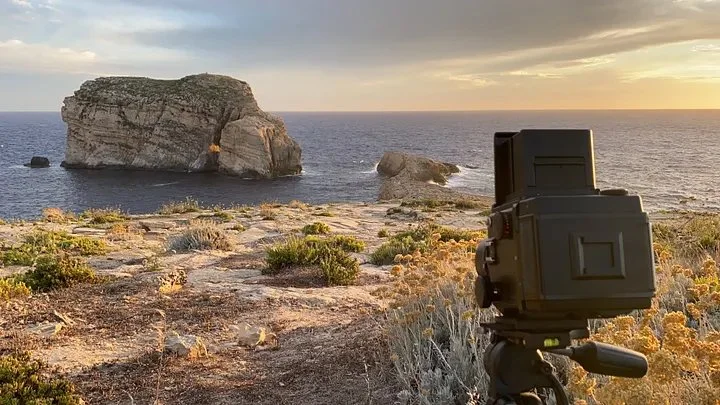
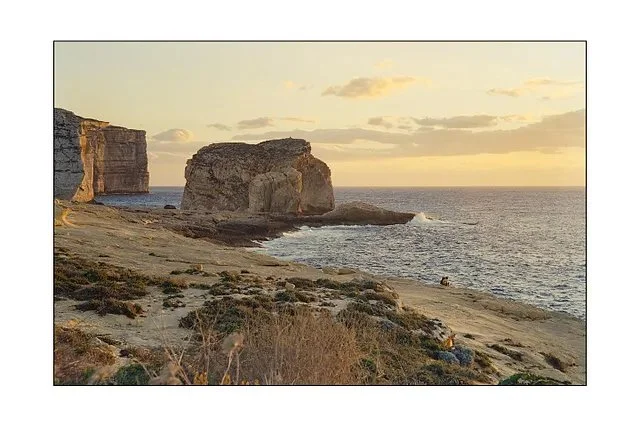
Photographing the Fungus Rock at Dwejra, Gozo with the Mamiya RZ 67
In my previous workplace, I had a work colleague who, although his main job was in healthcare, had a passion for painting.
We kept in contact after switching jobs, but eventually this contact slowly died away.
Recently, I had some free time on my hands, and I visited an exhibition that he held at the Museum of Fine Arts in Malta.
This reminded me of our conversations, which, in retrospect, make much more sense now that I have a better understanding of art in general.
Getting to the point
In one of these conversations, he had told me how he would revisit a particular location and paint the same subject over and over during a span of time.
He eventually ended up with, let’s say, a dozen paintings of the same subject, keeping the same composition.
This, he advised, gave him a deeper understanding of everything. Something which (12 years ago) I did not understand and did not envisage myself doing at all.
And then this happened…
Since then, I found a handful of instances where I tend to photograph the same subject or location.
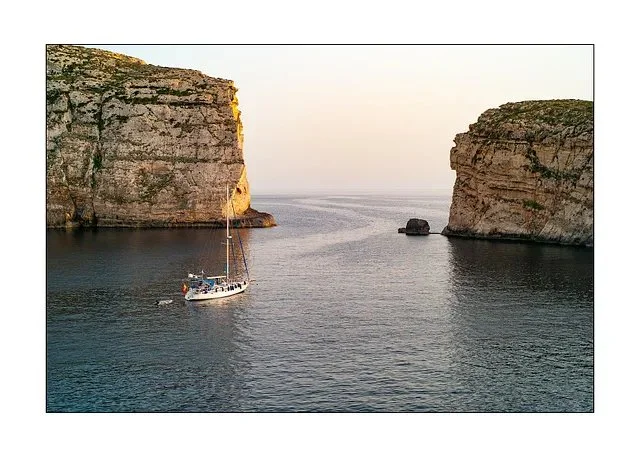
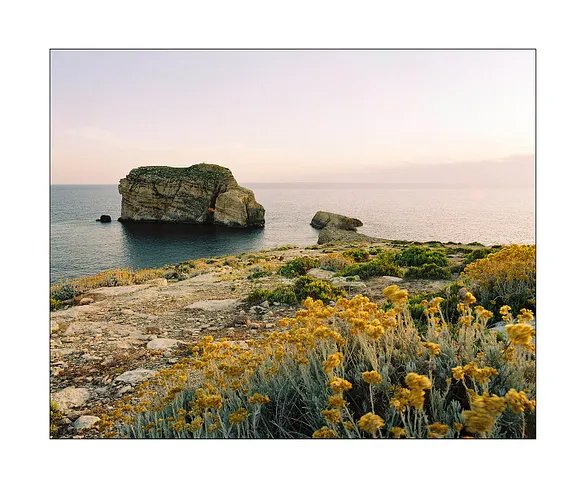
Looking at the images below, one can see the change in season, but when I look at them retrospectively, I see yachts, which means it’s the summer season, but generally it means less quiet because of tourism.
The image depicting the yellow flowering shrub shows the “Maltese everlasting” (Hilichrysum panormitanum subsp. melitense), an endemic, critically endangered shrub.
In the last image, there is the inclusion of people. Environment, nature and humans are three of the most important subjects that resonate with me. This is what my photography is mainly about.
Up until recently, I was searching for answers to why I photograph…and this is how I found the answer…by understanding why I photograph subjects over and over.
Lesson learnt
Now I understand what my colleague was trying to pass on. By photographing the same subject/location over time, you will not only see the subject/location differently, but also understand yourself and why you photograph. At least that’s what I experienced.